
Identify the users
Understand who needs the product, the task they want to complete and what they use today.
SaaS development
We help you define, design and build a software product for several customers. Start with a clear use case and a first version you can put in front of real users.
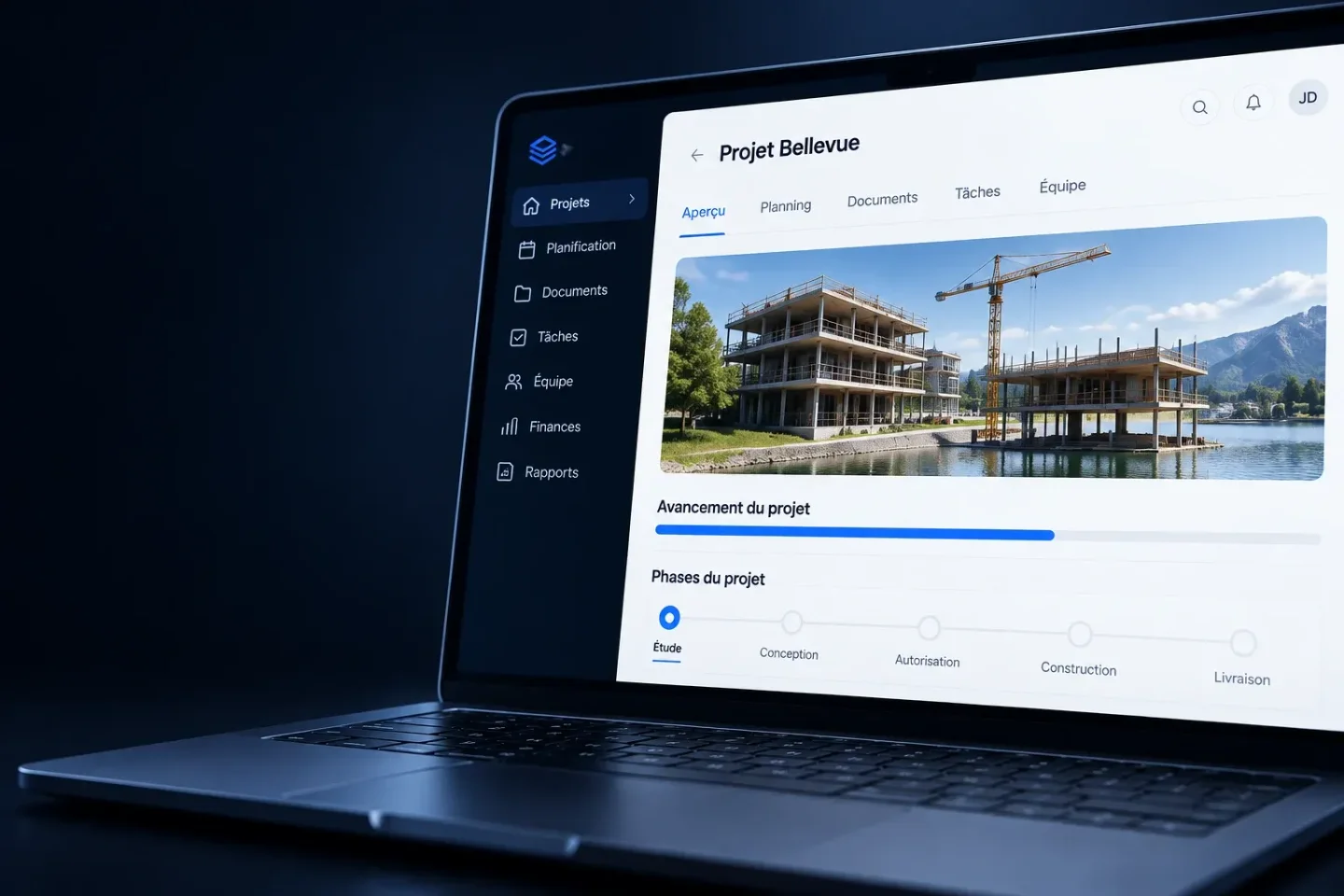
Before writing code
A SaaS product needs useful journeys and an operating model, alongside the application itself.
Understand who needs the product, the task they want to complete and what they use today.
Select the features required to test a complete and meaningful user journey.
Define organisations, users, permissions and separation between customers.
Identify hosting, support, subscriptions and monitoring requirements.
Our method
You know what is planned, what has been delivered and what still needs a decision.
See how we workWe examine real tasks, users, constraints and existing tools. Together we agree priorities and a scope that everyone can understand.
We map user journeys, design screens and explain the technical choices. You review how the application will work before development.
We develop in stages and show you working versions. Practical feedback and tests guide the changes.
We prepare operation, data migration and handover. Maintenance responsibilities and future improvements are agreed with you.
A product ready for use
Not every SaaS requires every feature from day one. We choose what supports the initial service and its next likely steps.
A clear path from account creation to the first useful action.
Roles and customer boundaries defined around the use case.
Plans, payment flows and billing integrations selected for the business model.
Tools to manage the service without editing the database by hand.
Deliberate integrations with documented dependencies and costs.
Monitoring, support and maintenance agreed before launch.
A manageable first release
The first version should let a user complete a useful task. We prefer a coherent journey to a long list of unfinished features.
Feedback from early use informs the next priorities. Customer separation, access controls and operational responsibilities still need to be addressed in the initial architecture; a smaller scope does not remove those obligations.
Technology choices
We choose technology around usage, integrations and maintenance. The aim is software that can be understood, operated and improved.
Frequently asked questions
Practical questions to discuss before development begins.
Yes. We define the smallest coherent version that lets users complete the core task and gives you useful feedback.
Where the service needs them, we define plans, subscriptions and payment-provider responsibilities with you.
We prepare the architecture for the expected usage and identify limits to measure. Capacity claims require representative tests.
Rights, third-party licences, access and handover terms are specified in the agreement.

Have a project in mind?
Tell us how your organisation works, what is getting in the way and what you would like to make possible. We will identify a useful next step together.